
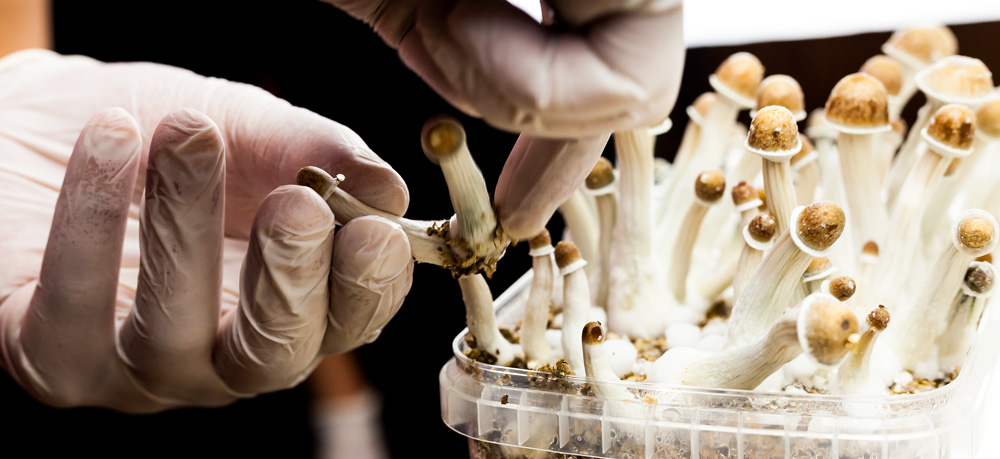
Psilocybin mushrooms, often referred to as “magic mushrooms,” have long been used in spiritual, recreational, and therapeutic settings. The active compound in these mushrooms, psilocybin, has gained increasing attention from both the scientific community and the public due to its potential therapeutic benefits. Research into how psilocybin affects the brain is expanding, with promising results suggesting it could play a role in treating a range of mental health issues. In this blog post, we will dive into the science behind psilocybin, exploring how it works on the brain and its potential effects on cognition, emotions, and mental health.
What Is Psilocybin?
Psilocybin is a naturally occurring psychedelic compound found in over 180 species of mushrooms, most commonly referred to as “magic mushrooms.” When ingested, psilocybin is converted into psilocin, which is responsible for its psychoactive effects. Psilocin interacts with serotonin receptors in the brain, primarily the 5-HT2A receptors, and is believed to play a key role in the psychedelic experience.
Psilocybin is non-addictive and has been shown to have a relatively low toxicity compared to other substances. However, its effects on the brain and body are complex and not fully understood, making it an area of active research.
How Psilocybin Affects the Brain
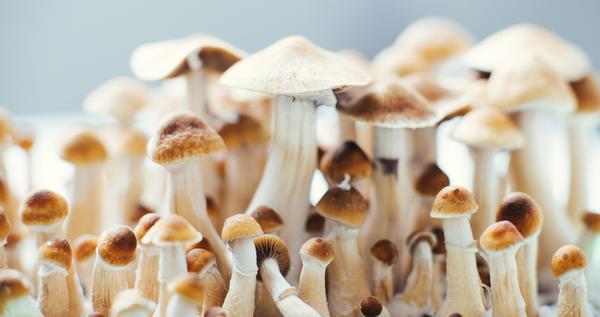
1. Interaction with Serotonin Receptors
The primary way psilocybin affects the brain is through its interaction with serotonin receptors. Serotonin is a neurotransmitter that helps regulate mood, appetite, sleep, and cognition. Psilocybin mimics serotonin and binds to serotonin receptors, particularly the 5-HT2A receptor. This interaction alters normal serotonin signaling, which can lead to changes in perception, cognition, and mood.
Research suggests that this alteration in serotonin signaling might explain why psilocybin induces changes in visual and auditory perception, creates altered states of consciousness, and produces emotional shifts. This also accounts for the so-called “trip” that many users experience, which can range from euphoric and enlightening to challenging and disorienting.
2. Increased Brain Connectivity
One of the most fascinating findings in psilocybin research is its impact on brain connectivity. Functional magnetic resonance imaging (fMRI) studies have shown that psilocybin increases communication between different regions of the brain that do not typically communicate with each other. Under normal circumstances, certain brain areas are more isolated and work independently, but psilocybin causes these regions to synchronize and interact in ways that are not observed in the default state.
This increased brain connectivity is often associated with feelings of interconnectedness, enhanced creativity, and the dissolution of ego boundaries. Many users report a heightened sense of unity with the world and a deeper understanding of themselves during their psychedelic experience. For those seeking therapeutic benefits, this “rewiring” of brain activity may provide insight into how psilocybin could help break harmful thought patterns, such as those seen in depression and anxiety.
3. The Default Mode Network and Ego Dissolution
The Default Mode Network (DMN) is a collection of brain regions that typically become active when a person is not engaged in focused tasks. It is often linked to self-reflection, daydreaming, and the “ego” — the mental representation of self-identity. In many individuals, the DMN can contribute to negative thinking patterns and excessive rumination, particularly in conditions like depression and anxiety.
One of the striking effects of psilocybin is its ability to temporarily suppress the DMN. This suppression leads to a sense of “ego dissolution,” where the boundaries between the self and the outside world seem to blur. This phenomenon is often described as one of the most profound experiences during a psilocybin trip, with users reporting a sense of unity with the universe or a dissolution of their personal identity.
This reduction in DMN activity might explain why some people experience deep emotional healing or insights into their mental state while under the influence of psilocybin. By temporarily “quieting” the ego, users may be able to step outside their usual mental frameworks and confront unresolved issues, past traumas, or negative thought patterns with a new perspective.
4. Neuroplasticity and Potential Therapeutic Effects
Another exciting area of psilocybin research is its potential to promote neuroplasticity. Neuroplasticity refers to the brain’s ability to reorganize itself by forming new neural connections. This ability is essential for learning, memory, and recovery from injury. Studies suggest that psychedelics like psilocybin may promote neuroplasticity, which could be particularly beneficial for individuals with mental health conditions such as depression, PTSD, and anxiety.
In clinical trials, psilocybin has shown promise in helping patients with depression who have not responded to traditional treatments. Researchers believe that by “resetting” the brain’s neural circuits, psilocybin could allow individuals to form new, healthier ways of thinking and processing emotions.
5. Emotional and Psychological Effects
The emotional and psychological effects of psilocybin are deeply intertwined with its impact on the brain’s serotonin system and neural connectivity. Users often experience profound emotional shifts during a trip, ranging from intense joy and euphoria to fear and anxiety. These emotional fluctuations are influenced by factors such as the user’s mindset, environment, and dosage.
Psilocybin has also been studied for its potential to treat psychological disorders. For example, it has shown effectiveness in reducing symptoms of depression, anxiety, and PTSD. In controlled settings, patients who received psilocybin therapy often reported lasting improvements in mood, perspective, and well-being. This therapeutic potential is currently being explored in clinical trials, with studies focusing on its use in patients with end-of-life anxiety, substance use disorders, and treatment-resistant depression.
Psilocybin and Mental Health Treatment
One of the most exciting areas of psilocybin research is its potential for treating mental health conditions. Clinical trials have found that psilocybin, when administered under professional supervision, can produce lasting positive effects on mood, anxiety, and overall mental well-being. Some of the conditions that psilocybin has shown promise in treating include:
- Depression: Psilocybin has been shown to significantly reduce symptoms of depression, particularly in cases where other treatments have been ineffective. By promoting new ways of thinking and interacting with emotions, psilocybin may help patients break free from persistent negative thought patterns.
- Anxiety: Research suggests that psilocybin can reduce anxiety, particularly in individuals with terminal illnesses. The effects of psilocybin on anxiety may stem from its ability to alter brain connectivity and reduce the influence of the Default Mode Network, which often fuels excessive worry and self-criticism.
- PTSD: Psilocybin has also shown promise in treating post-traumatic stress disorder (PTSD). The drug’s ability to promote neuroplasticity and provide a new perspective on past trauma makes it a powerful tool for therapy.
- Addiction: Studies have suggested that psilocybin can help people break free from addictive behaviors, such as alcohol and nicotine dependence. By shifting cognitive and emotional patterns, psilocybin may help individuals gain control over their impulses and make healthier choices.
Read Also : Magic Mushrooms and Microdosing: What Are the Benefits and Risks?
Conclusion
The science behind psilocybin is still in its early stages, but the research so far has shown immense promise. Psilocybin’s ability to influence serotonin receptors, increase brain connectivity, and promote neuroplasticity makes it a fascinating tool for understanding the brain and treating mental health conditions. While more research is needed to fully understand its mechanisms, the potential for psilocybin to improve lives is undeniable.
As research into psilocybin expands, we may find that this natural compound has much more to offer than previously thought. Whether used for personal growth, therapeutic purposes, or spiritual exploration, psilocybin is proving to be a powerful substance with the potential to change the way we understand and treat mental health.