Magic mushrooms, also known as psilocybin mushrooms, have been used for centuries in various cultures for their mind-altering effects. Recently, there has been a surge in interest around microdosing, particularly with magic mushrooms, as people are curious about its potential benefits for mental health, creativity, and overall well-being. However, with the rise of microdosing, there’s also a need to understand both the benefits and risks associated with this practice.
In this blog, we’ll explore what magic mushrooms are, how microdosing works, the benefits it may offer, and the potential risks involved.
What Are Magic Mushrooms?
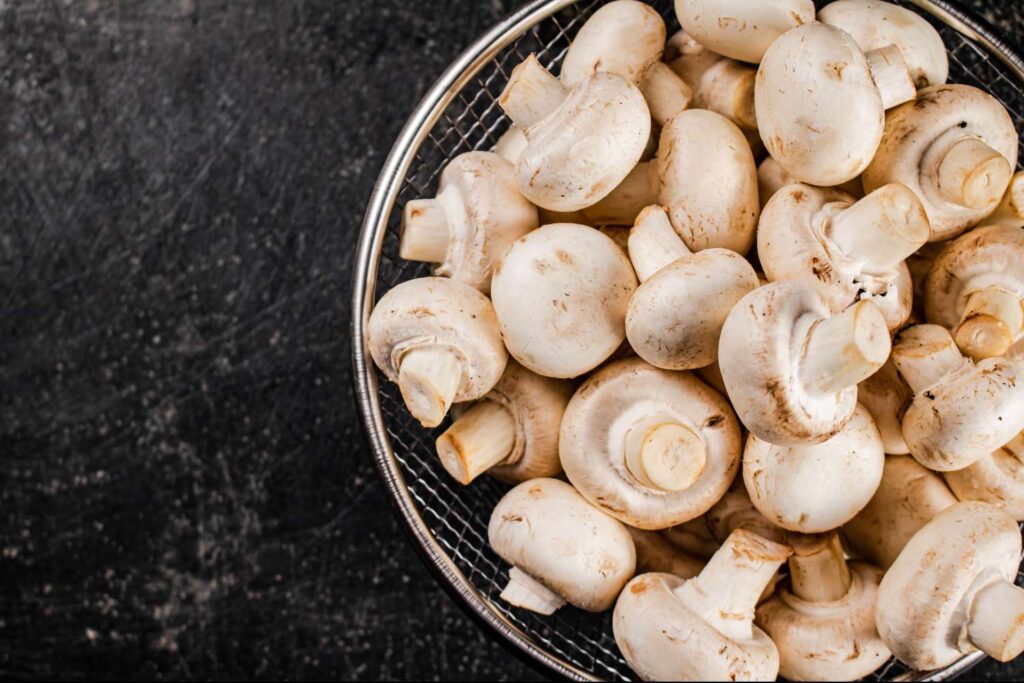
Magic mushrooms are a type of fungi that contain psilocybin, a naturally occurring psychedelic compound. When ingested, psilocybin is converted into psilocin, which affects serotonin receptors in the brain and leads to altered perceptions, emotional experiences, and heightened senses.
The most well-known species of magic mushrooms are Psilocybe cubensis, Psilocybe semilanceata (Liberty Caps), and Psilocybe cyanescens. These mushrooms have been used for thousands of years, particularly in spiritual and shamanic ceremonies, as they are believed to facilitate a deeper understanding of consciousness and the self.
What Is Microdosing?
Microdosing refers to the practice of taking a very small, sub-perceptual dose of a substance—in this case, magic mushrooms—that is not intended to induce a full psychedelic experience. A typical microdose of psilocybin ranges between 0.1 to 0.3 grams of dried mushrooms, depending on the individual’s body weight and sensitivity.
This small dose is below the threshold required to cause hallucinations or altered states of consciousness but is believed to offer therapeutic and cognitive benefits when taken regularly, typically on a schedule of every few days.
The Benefits of Microdosing Magic Mushrooms
While research on the effects of microdosing magic mushrooms is still in its early stages, anecdotal reports and some studies suggest several potential benefits of this practice:
1. Enhanced Mood and Emotional Well-being
One of the primary reasons people microdose with magic mushrooms is for mood enhancement. Many users report feeling an increase in positivity, reduced feelings of anxiety, and a general improvement in emotional well-being. Psilocybin has been shown to positively affect serotonin levels in the brain, a neurotransmitter associated with mood regulation.
Microdosing may help individuals dealing with depression and anxiety feel more balanced and emotionally stable, without the overwhelming effects that can come with a full psychedelic trip.
2. Increased Creativity
Creativity is another area where microdosing has gained popularity. Many people who microdose report experiencing heightened creativity, improved problem-solving skills, and better focus. These effects are likely related to psilocybin’s impact on brain connectivity and increased neural plasticity, which allows for more flexible thinking.
For artists, writers, and musicians, microdosing may offer a boost in creativity that helps them break through mental blocks or tap into new ideas. Some people find that their work becomes more innovative and out-of-the-box when they engage in microdosing.
3. Improved Focus and Cognitive Function
Another benefit reported by microdosing enthusiasts is improved cognitive function, including better focus, clarity, and concentration. The use of psilocybin in small doses may stimulate the brain’s ability to stay on task, leading to improved productivity and mental sharpness.
This cognitive enhancement can be particularly beneficial for individuals working in high-demand environments or those who need to stay mentally alert for extended periods.
4. Reduced Anxiety and Stress
Many individuals who microdose magic mushrooms report feeling a reduction in overall anxiety and stress levels. Psilocybin has been studied for its potential to alleviate symptoms of anxiety, particularly in people with chronic conditions such as social anxiety or generalized anxiety disorder (GAD).
By microdosing, people may experience relief from daily stressors, enabling them to approach their tasks with greater calm and less mental tension. Some users find that microdosing helps them manage negative emotions without becoming overwhelmed by them.
5. Spiritual Growth and Personal Insight
While not all microdosers are seeking a spiritual experience, some people report a greater sense of connection to themselves, others, and the world around them. These insights can promote personal growth and a better understanding of one’s values, emotions, and relationships.
Though microdosing is not intended to induce full-blown mystical experiences, some users find that it encourages a deeper awareness of their thoughts and feelings, which may lead to greater self-acceptance and clarity.
The Risks of Microdosing Magic Mushrooms
Despite the promising benefits, microdosing also comes with potential risks, and it’s important for anyone considering the practice to be aware of these drawbacks:
1. Psychological Risks
While microdosing is not intended to produce the hallucinatory effects of full psychedelic trips, it still affects brain chemistry. For some individuals, even small doses of psilocybin can lead to negative psychological effects, such as paranoia, confusion, or emotional instability.
People with a history of mental health conditions, such as schizophrenia, bipolar disorder, or psychosis, may be at a higher risk of triggering these symptoms, even at low doses. Microdosing may not be advisable for people who have a predisposition to these mental health conditions.
2. Unpredictable Effects
The effects of microdosing can vary greatly between individuals. While some users report significant benefits, others may experience no effects at all, or even negative side effects. The potency of psilocybin can differ depending on the type of mushroom used, making it difficult to accurately measure doses for consistent results.
Additionally, because psilocybin is not regulated in many places, people who choose to microdose may not always know the precise concentration of the substance they’re ingesting.
3. Legal Issues
In many countries, including the United States, psilocybin is classified as a Schedule I controlled substance, meaning it is illegal to possess, distribute, or use psilocybin mushrooms. Microdosing, therefore, carries legal risks depending on where you live.
Though some countries have decriminalized psilocybin or are exploring its medical use, it’s important to check the legal status in your area before engaging in microdosing.
4. Tolerance Build-Up
Another potential issue with microdosing is tolerance build-up. Regular use of psilocybin, even in small doses, can lead to a diminished effect over time. This means that microdosers may need to increase the dosage to achieve the same effects, which can lead to unwanted side effects or a potential dependency on the practice.
It’s recommended to take breaks from microdosing to prevent the development of tolerance and maintain its effectiveness.
Read Also : The Impact of Canada’s Changing Psychedelic Laws on Psilocybin Mushrooms
Conclusion
Microdosing magic mushrooms, particularly psilocybin, offers numerous potential benefits, including enhanced creativity, improved mood, and reduced anxiety. However, it also carries certain risks, including psychological effects and legal concerns. If you’re considering microdosing, it’s essential to educate yourself, understand the potential risks, and ensure that you are taking psilocybin safely and responsibly.
As research on microdosing continues to evolve, it’s crucial to stay informed about the latest scientific findings and consult with a healthcare provider before engaging in the practice, especially if you have any underlying health conditions. Microdosing can be a valuable tool for enhancing mental well-being, but it is not a one-size-fits-all solution, and it’s important to approach it with caution and awareness.