
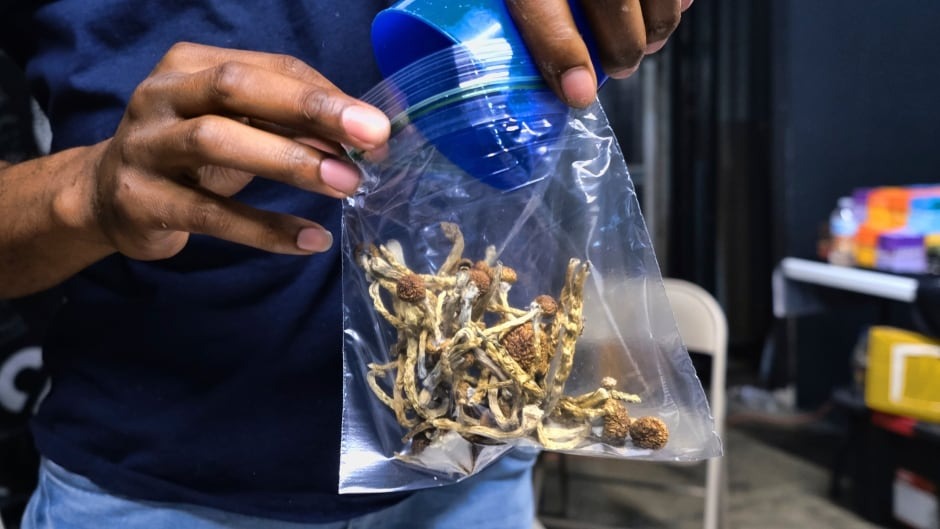
In recent years, Canada has made significant strides in rethinking its stance on psychedelic substances, including psilocybin mushrooms. Psilocybin, the active compound in so-called “magic mushrooms,” has garnered attention for its potential therapeutic benefits, including treatment for mental health conditions like depression, anxiety, and PTSD. As research on psychedelics continues to grow, Canadian lawmakers are starting to reconsider the legal status of psilocybin mushrooms. This blog explores the impact of Canada’s changing psychedelic laws on psilocybin mushrooms, examining the legal landscape, ongoing advocacy efforts, and the future of psilocybin in Canada.
The Current Legal Landscape of Psilocybin Mushrooms in Canada
Psilocybin mushrooms, like other psychedelics, have long been classified as illegal under Canada’s Controlled Drugs and Substances Act. For decades, possession, sale, or production of psilocybin was a criminal offense. However, recent developments in the country’s legal and regulatory framework have begun to shift the way psilocybin mushrooms are viewed, especially in the context of their medicinal use.

Legal Challenges and Landmark Decisions
In 2020, Canada witnessed a pivotal moment when healthcare professionals and patients advocating for psilocybin therapy began challenging the law. This challenge was especially significant for people suffering from end-of-life distress, where psilocybin has shown promise in reducing symptoms of anxiety and depression. One of the most notable moments came when four terminally ill patients were granted an exemption by the Canadian Minister of Health to legally use psilocybin as part of their palliative care. This decision marked a major milestone in the country’s evolving approach to psychedelics.
Moreover, in August 2021, a Federal Court decision further advanced the cause. The court ruled that patients should be granted the right to access psilocybin for medical purposes, citing the substance’s potential to provide therapeutic benefits where conventional treatments had failed. The ruling highlighted the potential for psilocybin mushrooms to play a vital role in the mental healthcare system, particularly for individuals dealing with end-of-life issues.
Ongoing Legal Advocacy for Psilocybin Decriminalization
While psilocybin mushrooms remain illegal for recreational use, advocacy for their decriminalization is gaining momentum. Advocacy groups such as Canadian Psychedelic Association and The Canadian Psilocybin Society are working to promote the legal use of psilocybin mushrooms for medical treatment and research. These groups argue that psilocybin has significant therapeutic potential and that decriminalizing its use could provide a new avenue for treating mental health conditions.
One of the key arguments in favor of decriminalization is the growing body of evidence supporting the benefits of psilocybin mushrooms in therapeutic settings. Clinical trials, including those conducted by Canadian institutions like University of Toronto and McGill University, have provided promising results, showing that psilocybin can help patients suffering from depression, PTSD, and anxiety.
The Role of Psilocybin Mushrooms in Mental Health Treatment
One of the driving factors behind the push for psilocybin legalization is its potential to revolutionize mental health treatment in Canada. Conventional medications for mental health disorders, such as antidepressants and anti-anxiety drugs, often come with side effects and are not always effective for every patient. This has led to a growing interest in alternative therapies like psilocybin, which may offer a more personalized and effective approach to mental health treatment.
The Evidence Supporting Psilocybin’s Therapeutic Effects
Scientific research into the therapeutic effects of psilocybin mushrooms has gained traction over the last decade. A number of clinical trials have shown that psilocybin can have a profound impact on mental health, particularly for individuals suffering from depression and anxiety. The Johns Hopkins University School of Medicine, for instance, has conducted several studies that demonstrate psilocybin’s potential to significantly alleviate depression, reduce anxiety, and improve overall well-being in clinical settings.
In Canada, research institutions like The Centre for Addiction and Mental Health (CAMH) have been involved in studies to understand how psilocybin works within the brain to help individuals process trauma and mental distress. Psilocybin’s effects on brain connectivity and the brain’s default mode network are particularly promising, as they suggest that the substance could help people break free from deeply ingrained patterns of negative thinking.
Psilocybin and End-of-Life Care
One area where psilocybin mushrooms have shown significant promise is in the treatment of individuals facing terminal illness. As mentioned earlier, Canada’s decision to grant exemptions for terminally ill patients in 2020 highlighted the potential benefits of psilocybin as part of palliative care. Studies have shown that psilocybin can help patients manage the psychological distress associated with dying, improving their quality of life during their final days.
In one study conducted by the Multidisciplinary Association for Psychedelic Studies (MAPS), terminally ill cancer patients who took psilocybin reported profound reductions in anxiety and improved emotional well-being. These findings are prompting more discussions about how psilocybin could become part of Canada’s healthcare framework, especially for individuals struggling with end-of-life issues.
The Future of Psilocybin Mushrooms in Canada
The evolving legal landscape surrounding psilocybin mushrooms in Canada signals that change is on the horizon. While psilocybin remains illegal for recreational use, the possibility of legal access for medicinal purposes is becoming more likely. The growing body of research, coupled with public and political support, suggests that the future of psilocybin in Canada is headed toward greater accessibility and potentially full decriminalization.
Potential Impact on the Healthcare System
If psilocybin mushrooms become widely available for medical use, they could revolutionize mental health treatment in Canada. Psilocybin could serve as a game-changing therapy for patients who have not found relief from traditional medications. Additionally, psilocybin therapy could become a critical component of Canada’s mental health treatment infrastructure, providing a much-needed alternative to pharmaceuticals.
However, this potential is contingent on continued research and the development of policies that ensure the safe, controlled use of psilocybin. The challenge will be balancing the need for access to psilocybin with proper regulation to ensure its safety in clinical settings.
Public Opinion and Future Legislation
Public opinion on psychedelics, including psilocybin mushrooms, has been evolving. As more people learn about the potential therapeutic benefits, there is increasing support for reforming cannabis-like laws surrounding psilocybin. This is especially true in Canada, where the public has shown a progressive attitude toward drug reform, particularly with the legalization of cannabis.
Conclusion
The changing laws surrounding psilocybin mushrooms in Canada have opened up new opportunities for research, therapy, and potential medical treatments. As Canadian society becomes more accepting of the therapeutic use of psychedelics, psilocybin mushrooms could become a powerful tool for addressing mental health challenges, especially for individuals dealing with terminal illness or chronic psychological distress.
While there are still many legal hurdles to overcome, the future of psilocybin in Canada looks promising. As more research emerges and public support grows, we may see psilocybin mushrooms become a legitimate, accessible treatment option for those in need, reshaping the landscape of mental healthcare in Canada.