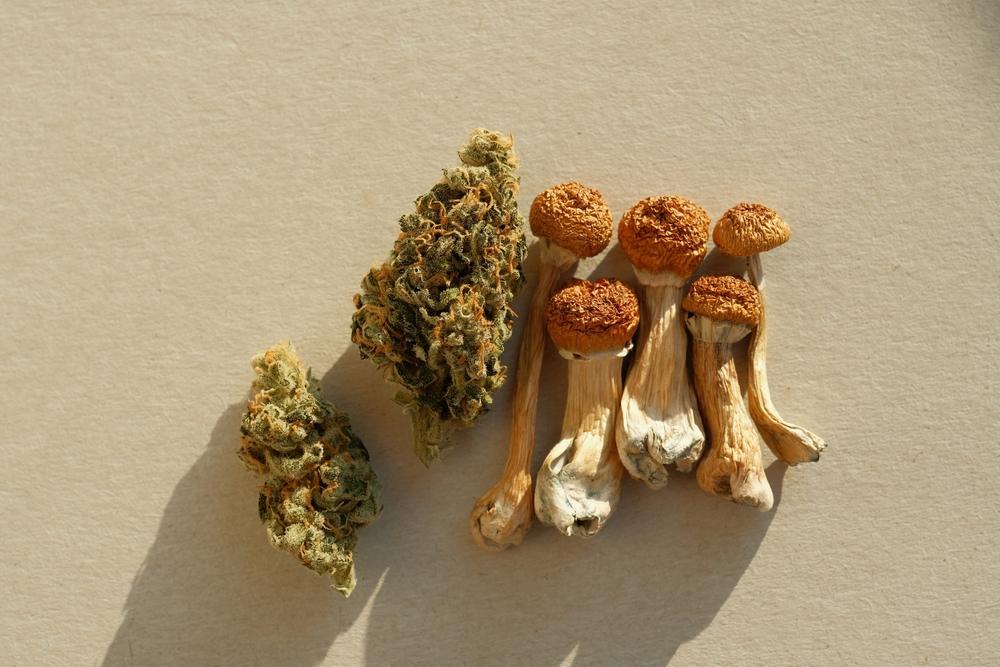
Natural psychedelics have gained significant popularity in recent years, with two of the most well-known substances being magic mushrooms and cannabis. While both have long-standing cultural and medicinal significance, they differ in their effects, legality, and uses. In Canada, the conversation surrounding these substances has shifted dramatically, especially with cannabis being legalized for recreational and medicinal use, while magic mushrooms remain in a grey legal area. In this article, we’ll dive into the key differences between these two natural psychedelics, exploring their effects, uses, and the legal landscape in Canada.
Understanding Magic Mushrooms
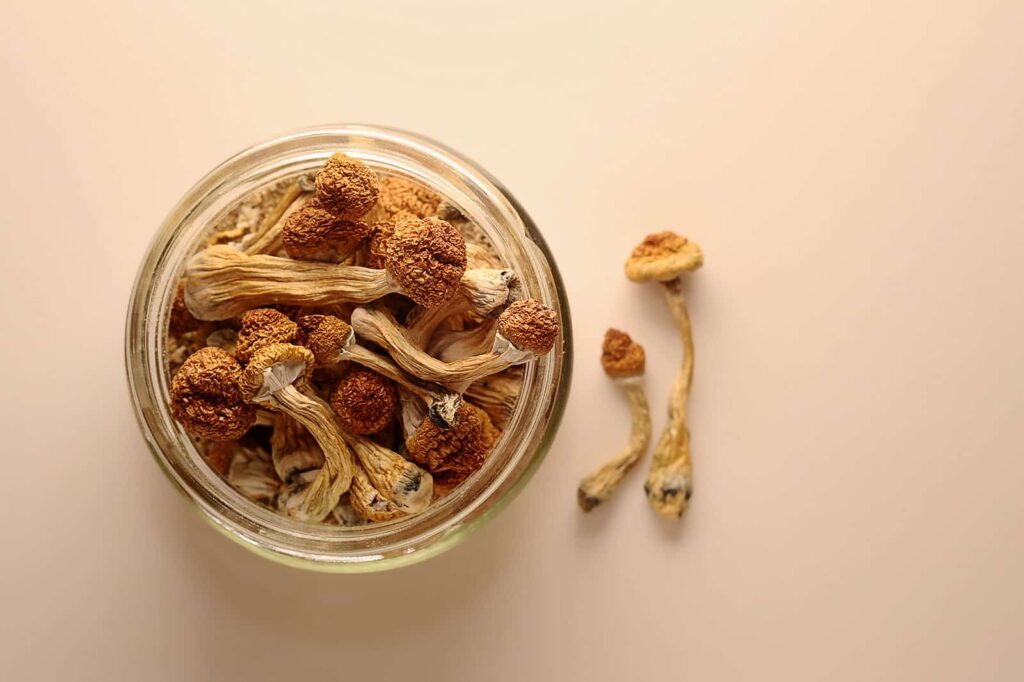
Magic mushrooms, or psilocybin mushrooms, are a type of fungi that contain the naturally occurring psychedelic compound psilocybin. When consumed, psilocybin is converted into psilocin in the body, which interacts with serotonin receptors in the brain, leading to altered perceptions, emotions, and consciousness. For centuries, indigenous cultures in various parts of the world have used magic mushrooms in spiritual and healing practices, and modern research has started to explore their therapeutic potential.
Effects of Magic Mushrooms
The effects of magic mushrooms vary depending on the dose, the individual’s mindset, and the environment. Common effects include visual and auditory hallucinations, a sense of interconnectedness with nature, and altered perceptions of time and reality. At higher doses, individuals may experience profound spiritual or mystical experiences, which can be therapeutic for some. However, like any psychedelic, magic mushrooms also carry risks, such as triggering anxiety, paranoia, or bad trips in some users.
Therapeutic Uses of Magic Mushrooms
In recent years, there has been growing interest in the therapeutic potential of magic mushrooms, particularly for treating mental health conditions like depression, anxiety, post-traumatic stress disorder (PTSD), and substance use disorders. Studies have shown that psilocybin therapy, when administered in controlled environments, can lead to lasting improvements in mental health, especially in patients who have not responded well to traditional treatments. However, despite this promise, magic mushrooms are still largely illegal in Canada, except in specific cases where Health Canada has granted exemptions for therapeutic use.
Understanding Cannabis
Cannabis is a plant that has been used for centuries for medicinal, spiritual, and recreational purposes. The two main active compounds in cannabis are THC (tetrahydrocannabinol), which is responsible for the psychoactive effects, and CBD (cannabidiol), which has therapeutic properties without causing a “high.” The cannabis plant can be consumed in various forms, including smoking, vaping, edibles, and oils. Unlike magic mushrooms, cannabis is legal for both medicinal and recreational use across Canada.
Effects of Cannabis
Cannabis affects users in a variety of ways, depending on the strain, dosage, and method of consumption. The primary psychoactive effects of THC include euphoria, relaxation, and an altered perception of time and space. It can also enhance creativity and heighten sensory experiences, making activities like listening to music or eating more enjoyable. However, cannabis can also cause dry mouth, increased heart rate, anxiety, and paranoia, especially in individuals sensitive to THC or those who consume high doses.
Therapeutic Uses of Cannabis
Cannabis has been used medicinally for decades, and in recent years, its use has been widely accepted in Canada. It is commonly prescribed for conditions such as chronic pain, nausea from chemotherapy, multiple sclerosis, epilepsy, and anxiety. CBD, in particular, has gained recognition for its potential to treat inflammation, seizures, anxiety, and sleep disorders, without the intoxicating effects of THC. With the legalization of cannabis, Canadians now have easy access to a range of cannabis products, including oils, edibles, and topicals, each designed for different therapeutic needs.
Comparing Magic Mushrooms and Cannabis
When comparing magic mushrooms and cannabis, it’s essential to understand their distinct effects, legal status, and medicinal potential. Both substances offer unique benefits, but they differ greatly in how they interact with the body and mind.
Legal Status in Canada
One of the most significant differences between magic mushrooms and cannabis in Canada is their legal status. Cannabis was legalized for recreational use in 2018, making it easily accessible to adults across the country. This shift in policy has opened the door to a thriving legal cannabis industry, with various cannabis products available for both recreational and medicinal use.
On the other hand, magic mushrooms remain illegal under Canada’s Controlled Drugs and Substances Act. However, there have been some recent developments allowing limited medical exemptions for the use of psilocybin in therapy, especially for patients suffering from treatment-resistant depression. While there is increasing advocacy for decriminalization or legalization, magic mushrooms are still largely unavailable for legal purchase.
Psychoactive Effects
Both magic mushrooms and cannabis are psychoactive substances, but they interact with the brain in very different ways. Magic mushrooms, through psilocybin, induce profound alterations in perception, emotions, and consciousness. These experiences are often described as mystical, spiritual, or deeply introspective, and they can last anywhere from four to six hours, depending on the dose.
Cannabis, particularly THC, offers a milder alteration in consciousness. While it can enhance sensory perception and induce euphoria, the effects are usually more subtle compared to the intense, often overwhelming effects of psilocybin. Additionally, cannabis can be consumed in lower doses for a more controlled, manageable experience, whereas magic mushrooms are often more unpredictable.
Medicinal Potential
Both substances have shown promise in treating various health conditions, though the research on magic mushrooms is still in its early stages compared to cannabis. Cannabis is widely used to treat physical conditions like chronic pain, muscle spasms, and nausea, while also being an effective treatment for anxiety and insomnia. Magic mushrooms, however, are primarily being studied for their effects on mental health, particularly in the treatment of depression, PTSD, and substance abuse disorders.
While cannabis can be used on a daily basis for symptom management, magic mushrooms are usually consumed in a therapeutic setting, often as part of a guided psychedelic experience rather than for ongoing daily use.
Risks and Side Effects
Like any psychoactive substance, both magic mushrooms and cannabis carry potential risks and side effects. Cannabis can cause short-term memory impairment, anxiety, paranoia, and increased heart rate. Long-term use, especially in young adults, may lead to cognitive decline and a higher risk of mental health disorders like schizophrenia.
Magic mushrooms have fewer physical side effects but can cause intense psychological experiences. Bad trips, marked by feelings of fear, panic, or loss of control, are possible, especially at higher doses. While psilocybin is generally considered non-addictive, users with a history of mental illness may experience exacerbation of psychiatric symptoms.
Conclusion
In the debate of magic mushrooms vs. cannabis, both substances offer unique experiences and potential therapeutic benefits. Cannabis has become a mainstream natural remedy in Canada, widely accepted for its medicinal and recreational use, while magic mushrooms are still in the early stages of medical exploration, holding promise for treating complex mental health conditions.
As research continues to expand and societal attitudes evolve, it’s possible that Canada may one day see magic mushrooms follow a similar path toward legalization. Until then, both substances represent distinct ways for individuals to explore natural psychedelics and their potential for healing, creativity, and personal growth.
For Canadians looking to make an informed choice between these natural psychedelics, understanding the differences in effects, legality, and medicinal uses is crucial for a safe and rewarding experience.