
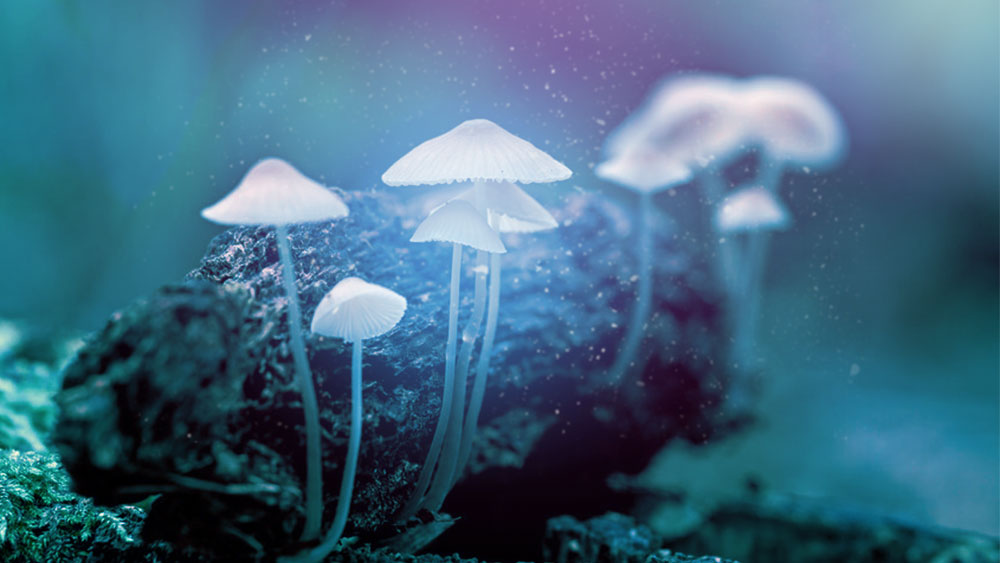
The realms of mental health and wellness are undergoing a psychedelic renaissance, with psilocybin therapy at the forefront of this transformation. Psilocybin, the active compound found in ‘magic mushrooms,’ has been the subject of much fascination and research, giving rise to its potential therapeutic uses. This post delves into the intriguing world of psilocybin therapy, exploring its implications for wellness and mental health.
The Foundations of Psilocybin Therapy
Long relegated to the fringes of alternative therapy and counterculture, psilocybin is now being seriously examined by the scientific community. Decades of prohibition are giving way to a new understanding, with studies revealing its profound potential in treating a range of mental health issues. Psilocybin therapy involves the use of this compound in a controlled, therapeutic setting, often combined with counselling or psychotherapy.
Clinical Research and Potential Benefits
Recent clinical trials have demonstrated promising results in the treatment of conditions such as depression, anxiety, post-traumatic stress disorder (PTSD), and even addiction. Psilocybin appears to ‘reset’ or ‘unblock’ certain neural pathways, offering relief from the cyclical patterns of negative thought associated with these conditions.
For example, a study published in “The New England Journal of Medicine” showed that psilocybin therapy could be as effective as traditional antidepressants, with some patients reporting a rapid and sustained improvement in mood. Similarly, research at Johns Hopkins University has found that psilocybin can significantly reduce anxiety and depression in cancer patients, often with long-lasting effects after just a single session.
The Experience of Psilocybin Therapy
Participants in psilocybin therapy sessions report a wide range of experiences, from mystical and spiritual to deep emotional catharsis. It’s not just about the neurological impact but the psychological journey. This process can help individuals confront and process emotions, leading to insightful perspectives on personal issues or life challenges.
However, psilocybin therapy is not without its risks. The experience can be intense and sometimes unsettling, bringing forth unexpected emotions or memories. Hence, it is carried out under the guidance of trained professionals who can provide a safe environment and support throughout the experience.
Legal Status and Societal Views
While the use of magic mushrooms remains illegal in many countries, there is a growing movement to change this. Places like Oregon, Denver, and Washington D.C. in the United States have made strides in decriminalizing or legalizing the use of psilocybin in therapeutic settings. This shift is reflective of changing attitudes towards psychedelics and a greater appreciation of their potential health benefits.
Ethical Considerations and Accessibility
As the evidence in support of psilocybin therapy grows, ethical considerations come to the fore. Advocates argue for the right to cognitive liberty – the freedom to alter one’s mental state with substances like psilocybin. However, there’s also a conversation around accessibility and the importance of ensuring that such treatments, if proven effective, are available to all segments of society.
Integrating Psilocybin into Wellness Routines
While not everyone may have access to formal psilocybin therapy, the principles of this treatment align with broader wellness practices. Mindfulness, meditation, and a connection to nature are aspects often enhanced by psilocybin experiences and can be incorporated into daily life.
The Road Ahead
As research continues, the medical community is cautiously optimistic about the potential of psilocybin as a therapeutic tool. The FDA has granted ‘Breakthrough Therapy’ designation to psilocybin for the treatment of depression, expediting the development process.
Conclusion
Psilocybin therapy represents a fascinating intersection between ancient wisdom and modern science, with the power to revolutionize our approach to mental health and wellness. By breaking down the barriers of conventional treatment, it offers a beacon of hope for those who have not found relief through traditional methods.
As we stand on the brink of new horizons in health and psychology, psilocybin therapy challenges us to rethink our understanding of healing, consciousness, and the human mind. While it’s not a panacea, its role in wellness is an invitation to expand our perspectives, explore new therapeutic avenues, and embrace the complexities of the human experience.