
Introduction
In recent years, there has been a profound shift in the perception and acceptance of magic mushrooms market. What was once relegated to the fringes of society, associated with counterculture movements and taboo, has now emerged as a subject of serious discussion and exploration in mainstream circles. This evolution is not only evident in societal attitudes but also in the burgeoning market for these fascinating fungi.
Understanding the Roots: Magic Mushrooms and Counterculture
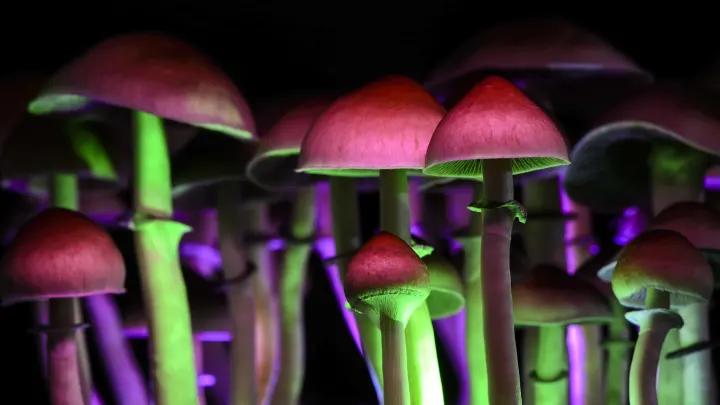
Magic mushrooms, scientifically known as psilocybin mushrooms, have a long history of use in various cultures for spiritual, medicinal, and recreational purposes. However, it was during the counterculture movements of the 1960s and 1970s that they gained significant attention in the Western world. Psychedelic experiences were embraced as a means to expand consciousness, challenge societal norms, and explore alternative states of being.
1. The Rise of Psychedelic Research: A Turning Point
Despite their association with the counterculture, magic mushrooms never fully faded into obscurity. In fact, scientific interest in their therapeutic potential persisted, albeit on the fringes of mainstream medicine. However, the landscape began to shift dramatically in the early 21st century as researchers renewed their investigations into the therapeutic benefits of psychedelics, including psilocybin.
2. Shifting Paradigms: Magic Mushrooms in Modern Medicine
One of the most significant factors driving the mainstream acceptance of magic mushrooms has been the growing body of research supporting their therapeutic efficacy. Studies have shown promising results in the treatment of various mental health conditions, including depression, anxiety, PTSD, and addiction. The psychedelic experience facilitated by psilocybin has been found to promote neural plasticity, enhance emotional processing, and induce profound spiritual experiences, all of which contribute to its therapeutic potential.
3. Legal and Regulatory Developments: Navigating the Path to Acceptance
Another crucial aspect of the journey from counterculture to mainstream acceptance has been the evolving legal and regulatory landscape surrounding magic mushrooms. While psilocybin remains classified as a Schedule I controlled substance in many jurisdictions, there has been a notable shift in attitudes and policies in recent years. Cities like Denver, Oakland, and Santa Cruz have decriminalized the possession and use of magic mushrooms, signaling a growing acceptance of their therapeutic potential and a willingness to explore alternative approaches to drug policy.
4. Commercialization and Capitalization: The Business of Magic Mushrooms
As attitudes and regulations evolve, so too does the market for magic mushrooms. What was once a niche industry confined to underground markets and small-scale cultivation operations is now experiencing rapid growth and commercialization. Investors and entrepreneurs are increasingly recognizing the potential economic opportunities presented by psychedelics, leading to the emergence of a thriving market for magic mushrooms and related products.
Exploring the Intersection of Tradition and Innovation
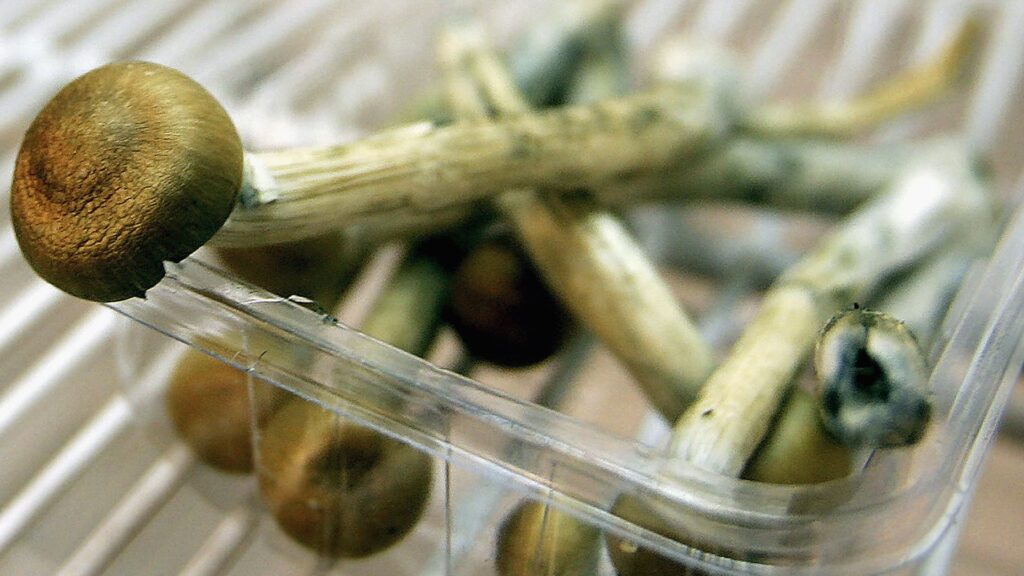
While the mainstream acceptance of magic mushrooms is a relatively recent phenomenon, it’s essential to acknowledge the longstanding cultural and spiritual traditions that have revered these fungi for centuries. Indigenous peoples across the globe, from the Mazatec in Mexico to the indigenous tribes of the Amazon rainforest, have incorporated magic mushrooms into their religious rituals and healing practices for generations.
1. Cultural Reverence: Honoring the Sacred Legacy
For these cultures, magic mushrooms are not merely recreational substances but sacred tools for spiritual exploration and communion with the divine. The ceremonial use of psilocybin mushrooms is deeply rooted in reverence for nature, ancestral wisdom, and the interconnectedness of all living beings. The recent resurgence of interest in magic mushrooms in the West has prompted a renewed appreciation for these cultural traditions and a growing acknowledgment of the need to approach psychedelics with respect and humility.
2. Ethical Considerations: Balancing Profit with Purpose
As the market for magic mushrooms continues to expand, there are ethical considerations that must be addressed to ensure that the commodification of psychedelics does not overshadow their cultural and spiritual significance. Questions of equitable access, sustainable cultivation practices, and responsible marketing strategies are increasingly being raised within the psychedelic community. Many advocates emphasize the importance of upholding ethical principles and prioritizing the well-being of individuals and communities over profit margins.
3. The Promise of Innovation: Exploring New Frontiers
While traditional approaches to psychedelics focus on natural sources like magic mushrooms, innovative research is pushing the boundaries of what is possible in the realm of psychedelic medicine. Synthetic forms of psilocybin are being developed for clinical use, offering precise dosing and standardized formulations that may facilitate integration into mainstream healthcare settings. Additionally, advancements in psychedelic-assisted therapy techniques and technology are expanding the therapeutic potential of magic mushrooms beyond traditional ceremonial contexts.
4. The Role of Education and Advocacy: Shaping the Narrative
Education and advocacy play a crucial role in shaping public perception and policy surrounding magic mushrooms. Efforts to destigmatize psychedelics, raise awareness about their therapeutic potential, and promote harm reduction practices are essential for fostering a supportive environment for further research and exploration. Organizations and grassroots movements dedicated to psychedelic education and advocacy are gaining momentum, amplifying the voices of researchers, therapists, and individuals with lived experiences to drive meaningful change.
5. Looking Ahead: Navigating the Path Forward
As we continue to navigate the evolving landscape of the magic mushroom market, it is essential to approach this journey with both reverence for the past and excitement for the future. The intersection of tradition and innovation offers boundless opportunities for growth, healing, and transformation. By honoring the cultural legacy of magic mushrooms, embracing ethical principles, fostering innovation, and advocating for responsible use, we can harness the full potential of these remarkable fungi to create a more conscious and compassionate world for generations to come.
Embracing the Journey
The evolution of magic mushrooms from counterculture icon to mainstream phenomenon is a testament to the power of collective exploration, scientific inquiry, and cultural evolution. As we embark on this journey together, let us approach it with open hearts, curious minds, and a deep reverence for the profound mysteries of the human experience. With each step forward, may we honor the wisdom of the past, celebrate the possibilities of the present, and embrace the transformative potential of the future.
Conclusion: Embracing the Potential of Magic Mushrooms
The journey of magic mushrooms from counterculture to mainstream acceptance represents a significant cultural and societal shift. What was once dismissed as a relic of the past or a symbol of rebellion is now being reevaluated and embraced for its therapeutic potential and profound impact on consciousness. As research continues to uncover the therapeutic benefits of psilocybin and attitudes towards psychedelics evolve, the market for magic mushrooms is poised for continued growth and innovation. It is a journey that holds immense promise for individuals seeking healing, transformation, and a deeper understanding of the human mind and spirit.