
In the world of cannabis cultivation, auto flowering seeds have gained significant popularity among both novice and experienced growers. These unique seeds offer a convenient and efficient way to cultivate cannabis, but they also come with their own set of pros and cons. In this comprehensive guide, we’ll delve into the world of auto flowering cannabis seeds, exploring their advantages and disadvantages, as well as providing valuable growing tips for maximizing your harvest.
Understanding Auto flowering Cannabis Seeds
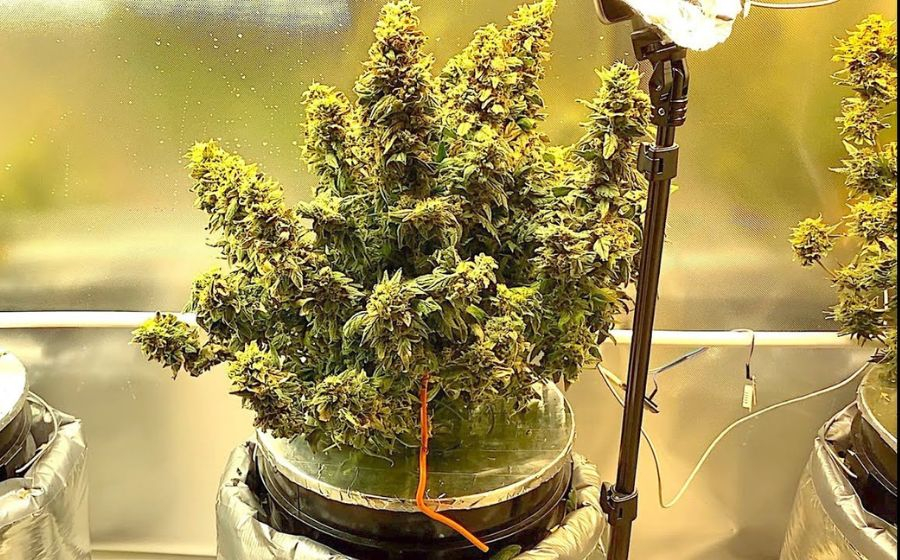
Autoflowering cannabis seeds are a type of cannabis seed that automatically switches from the vegetative stage to the flowering stage without requiring a change in light cycle. Unlike photoperiod strains, which rely on changes in light exposure to trigger flowering, autoflowering seeds begin flowering based on age and overall health.
How Autoflowering Seeds Work
Autoflowering cannabis seeds are the result of crossbreeding cannabis ruderalis with traditional indica or sativa strains. Cannabis ruderalis, native to regions with short growing seasons, possesses the unique trait of flowering based on age rather than light exposure. By introducing this trait into hybrid strains, breeders have created plants that flower automatically, typically within 2-4 weeks of germination, regardless of the light cycle.
Pros of Auto flowering Cannabis Seeds
1. Faster Harvest Times: One of the most significant advantages of autoflowering seeds is their rapid growth and flowering cycle. With a shorter life span compared to photoperiod strains, autoflowers can be ready for harvest in as little as 8-10 weeks from seedling to harvest, making them ideal for growers looking for quick turnaround times.
2. Compact Size: Autoflowering cannabis plants tend to be smaller in stature compared to photoperiod strains, making them suitable for indoor cultivation or discreet outdoor growing. Their compact size also makes them easier to manage and less prone to attracting unwanted attention.
3. Increased Resilience: Autoflowering strains are often more resilient and forgiving of common mistakes made by novice growers. They are more tolerant of fluctuations in light, temperature, and humidity, making them an excellent choice for growers looking for a low-maintenance option.
4. Multiple Harvests: Because autoflowering seeds have a short life cycle, growers can stagger their planting schedule to achieve multiple harvests throughout the year, maximizing their yield potential.
Cons of Auto flowering Cannabis Seeds
1. Limited Control: Unlike photoperiod strains, which can be manipulated to extend the vegetative stage for increased plant size and yield, autoflowering seeds have a predetermined life cycle. This limited control over the growth process may be a drawback for growers seeking maximum yield potential.
2. Potency and Yield: While autoflowering strains have improved significantly in terms of potency and yield in recent years, they still tend to produce smaller harvests compared to photoperiod strains. Additionally, some growers may find that the potency of autoflowers is lower compared to traditional strains.
3. Training Limitations: Due to their short stature and rapid growth cycle, autoflowering plants may not respond well to training techniques such as topping or pruning. This limitation can impact overall yield potential and plant structure.
4. Cost: Autoflowering seeds may be more expensive than photoperiod seeds due to the specialized breeding techniques required to produce them. However, the potential time and resource savings associated with their shorter growth cycle may offset this initial cost for many growers.
Growing Tips for Autoflowering Cannabis Seeds
While autoflowering cannabis seeds offer many benefits, successful cultivation still requires proper care and attention. Here are some essential tips for maximizing your autoflowering harvest:
1. Choose the Right Genetics
Selecting high-quality autoflowering seeds from reputable breeders is essential for ensuring a successful harvest. Look for strains known for their potency, yield, and resilience to environmental stressors.
2. Provide Adequate Lighting
While autoflowering plants do not require a specific light cycle to initiate flowering, providing ample light during the vegetative stage can help promote healthy growth and maximize yields. LED grow lights are a popular choice for indoor growers due to their energy efficiency and customizable spectrum.
3. Use Well-Draining Soil
Opt for a well-draining soil mix with good aeration to prevent waterlogging and promote healthy root development. Adding perlite or coco coir to your soil mix can improve drainage and prevent root rot.
4. Monitor Nutrient Levels
Autoflowering plants have different nutrient requirements compared to photoperiod strains, so it’s essential to monitor nutrient levels carefully. Start with a balanced fertilizer formulated for cannabis and adjust as needed based on the plant’s response.
5. Avoid Overwatering
Overwatering is a common mistake made by novice growers and can lead to root rot and other issues. Allow the soil to dry out slightly between waterings and avoid watering to the point of saturation.
6. Prune with Caution
While autoflowering plants may not respond well to extensive pruning, removing yellowing or dead leaves can improve airflow and prevent mold and mildew issues. Use sterilized pruning tools and prune with caution to avoid stressing the plant.
7. Harvest at the Right Time
Monitor your plants closely and harvest when the trichomes have reached their desired level of ripeness. Autoflowering plants tend to have a shorter flowering period, so it’s essential to harvest at the right time to maximize potency and flavor.
Conclusion
Autoflowering cannabis seeds offer a convenient and efficient option for growers looking to produce high-quality cannabis with minimal effort. While they come with their own set of pros and cons, with proper care and attention, autoflowers can yield impressive results in a relatively short amount of time. By understanding the unique characteristics of autoflowering strains and implementing the tips outlined in this guide, you can successfully cultivate your own batch of autoflowering cannabis and enjoy a bountiful harvest.