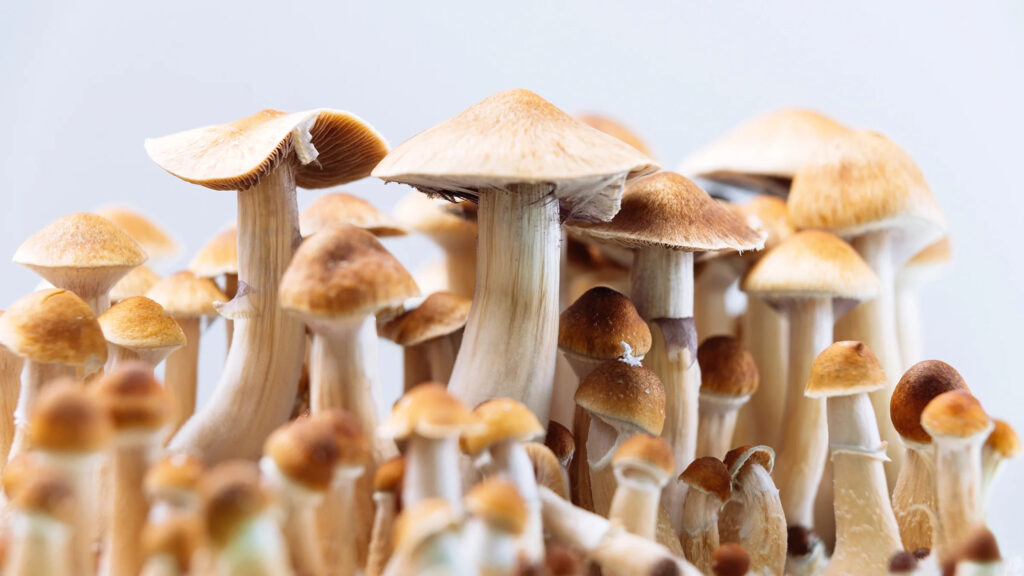
Mushrooms have fascinated humans for centuries. From culinary delicacies to ancient healing remedies and even spiritual practices, they hold a unique place in both science and culture. But when people talk about mushrooms, two categories often create curiosity: functional mushrooms and psychedelic mushrooms.
Although they share the same fungal kingdom, their uses, effects, and legality are quite different. Understanding the differences between these two types can help you make informed decisions about health, wellness, and safe consumption.
What Are Functional Mushrooms?
Functional mushrooms are species valued for their nutritional and health-supporting properties rather than mind-altering effects. These mushrooms are rich in bioactive compounds like polysaccharides, beta-glucans, and antioxidants that support various bodily functions.
They are often used in powders, teas, capsules, tinctures, and even coffee blends to promote overall wellness. Functional mushrooms have become especially popular in holistic health, biohacking, and natural supplementation.
Popular Types of Functional Mushrooms
- Reishi (Ganoderma lucidum): Known as the “Mushroom of Immortality,” it supports relaxation, stress reduction, and immune balance.
- Lion’s Mane (Hericium erinaceus): Famous for brain health, memory support, and cognitive enhancement.
- Chaga (Inonotus obliquus): Rich in antioxidants, often used to support immunity and fight inflammation.
- Cordyceps (Cordyceps militaris/sinensis): Boosts energy, stamina, and athletic performance.
- Turkey Tail (Trametes versicolor): Known for immune modulation and gut health support.
These mushrooms don’t cause hallucinations or altered states of consciousness. Instead, they offer long-term benefits when taken consistently.
What Are Psychedelic Mushrooms?
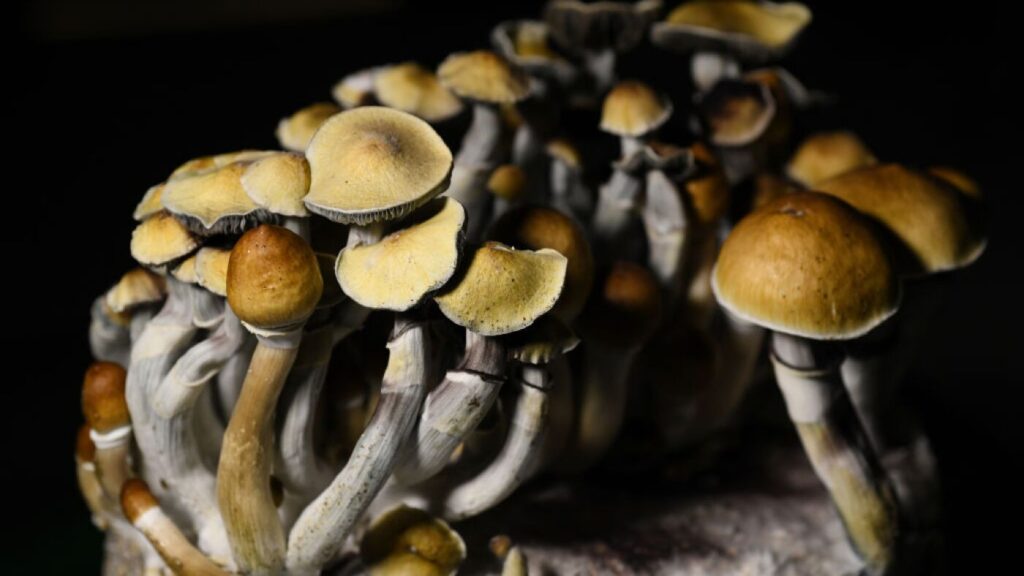
Psychedelic mushrooms, often referred to as “magic mushrooms,” contain compounds such as psilocybin and psilocin that directly affect the brain. When consumed, these substances alter perception, mood, and cognition, leading to a psychedelic experience.
People have used psychedelic mushrooms for thousands of years in spiritual rituals, shamanic ceremonies, and cultural practices. Today, they are at the center of research for their potential therapeutic applications in treating depression, anxiety, PTSD, and addiction.
Effects of Psychedelic Mushrooms
- Altered perception of time and space
- Enhanced sensory experiences
- Emotional breakthroughs
- Spiritual or mystical experiences
- Introspection and self-discovery
While these experiences can be profound, they also carry risks if used without guidance, preparation, or safe settings.
Functional Mushrooms vs. Psychedelic Mushrooms
While both types of mushrooms come from nature, their purposes and effects are vastly different.
1. Purpose and Use
- Functional Mushrooms: Used for health, wellness, and daily supplementation.
- Psychedelic Mushrooms: Used for spiritual exploration or, in research, for mental health therapy.
2. Psychoactive Effects
- Functional Mushrooms: Non-psychoactive and safe for everyday consumption.
- Psychedelic Mushrooms: Strongly psychoactive due to psilocybin and psilocin.
3. Legality
- Functional Mushrooms: Legal and widely available as supplements or food.
- Psychedelic Mushrooms: Illegal in many countries, though some regions have decriminalized or allowed them for therapeutic use.
4. Consumption
- Functional Mushrooms: Powders, teas, capsules, tinctures, or incorporated into food.
- Psychedelic Mushrooms: Typically consumed raw, dried, in teas, or as capsules in controlled environments.
The Science Behind the Benefits
Functional mushrooms and psychedelic mushrooms both interact with the body, but in different ways.
How Functional Mushrooms Work
Functional mushrooms contain compounds that influence the immune system, nervous system, and cellular health. For example:
- Beta-glucans stimulate the immune response.
- Antioxidants reduce oxidative stress.
- Lion’s Mane supports nerve growth factor (NGF), aiding brain health.
How Psychedelic Mushrooms Work
Psychedelic mushrooms’ primary compound, psilocybin, converts into psilocin in the body. Psilocin binds to serotonin receptors in the brain, especially the 5-HT2A receptor, leading to altered consciousness, heightened emotions, and expanded awareness.
Recent studies show promise for psilocybin-assisted therapy in treating resistant depression, trauma, and anxiety—conditions where conventional medicine sometimes falls short.
Health Benefits and Risks
Both categories of mushrooms have potential benefits, but also come with considerations.
Benefits of Functional Mushrooms
- Strengthen the immune system
- Reduce inflammation
- Support brain health and memory
- Improve energy and stamina
- Aid stress management and sleep
They are considered safe for most people and can be taken daily without concerns of intoxication.
Benefits of Psychedelic Mushrooms
- Potential breakthroughs in treating mental health disorders
- Profound spiritual and personal insights
- Reduction of existential anxiety in terminal illness patients
- Increased emotional openness and connectivity
However, psychedelic mushrooms must be approached with caution. Without proper setting, supervision, or intention, experiences can lead to fear, anxiety, or psychological distress.
Legal and Cultural Perspectives
Functional mushrooms are widely accepted across the world as part of food and wellness industries. They’re commonly sold in supermarkets, health stores, and online.
Psychedelic mushrooms, on the other hand, remain controversial. While they are still illegal in most countries, progressive policies are emerging:
- In Oregon (USA), psilocybin therapy has been legalized.
- In Canada, special access programs allow psilocybin use for medical purposes.
- Several cities worldwide have decriminalized personal possession.
This evolving landscape reflects growing recognition of their therapeutic potential.
Should You Choose Functional or Psychedelic Mushrooms?
The choice depends entirely on your goals, health needs, and local laws.
- If you’re looking for daily wellness support, stress reduction, or immune enhancement, functional mushrooms are the best fit.
- If you’re seeking deep psychological healing or spiritual exploration, psychedelic mushrooms might be relevant—but only in safe, legal, and guided settings.
Read Also : Magic Mushrooms and Creativity: Can Psychedelics Unlock Innovation?
Final Thoughts
Functional mushrooms and psychedelic mushrooms may both come from the same natural world, but they serve very different purposes. Functional mushrooms help nourish and balance the body without altering consciousness, while psychedelic mushrooms open doors to expanded states of mind with therapeutic and spiritual potential.
As science continues to explore both categories, it’s clear that mushrooms—whether functional or psychedelic—hold a remarkable power to support human well-being. The key lies in understanding the differences, respecting their unique roles, and using them responsibly.