
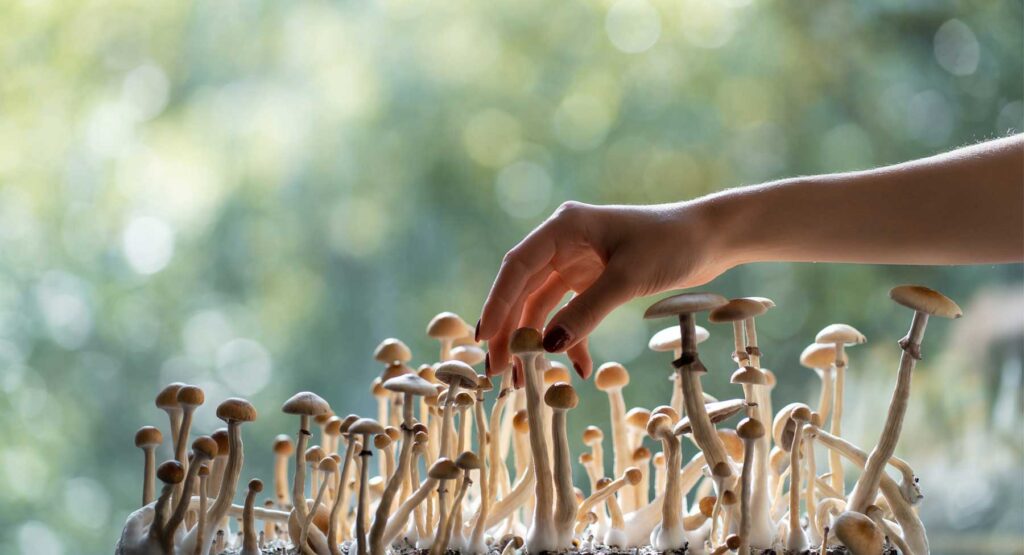
In a world driven by innovation, creativity is one of the most prized human traits. From artists and musicians to entrepreneurs and scientists, many have long searched for ways to unlock deeper levels of inspiration and imaginative thinking. One unconventional yet increasingly discussed method is the use of psychedelics—particularly magic mushrooms. These fungi contain psilocybin, a naturally occurring psychedelic compound known for altering consciousness and perception. But can these mind-expanding experiences truly enhance creativity?
What Are Magic Mushrooms?
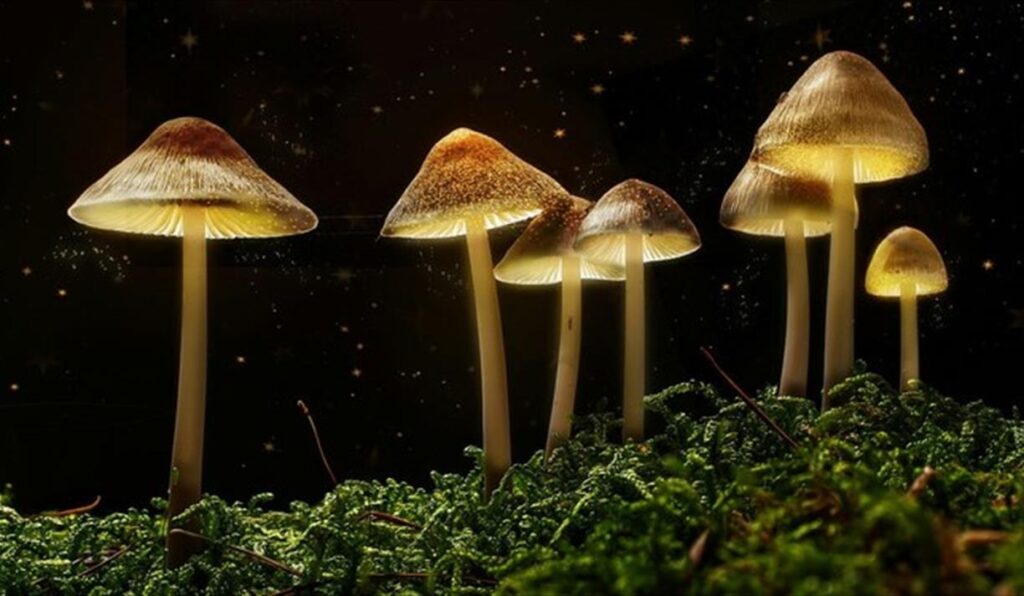
Magic mushrooms refer to a group of fungi that contain psilocybin, a psychoactive compound that, once ingested, converts into psilocin, the chemical responsible for producing psychedelic effects. These effects can include visual and auditory distortions, an altered sense of time, emotional shifts, and deep introspection. While they have been used for centuries in spiritual and ceremonial settings, recent years have seen a resurgence in scientific interest—particularly in their ability to impact cognition and creativity.
The Link Between Psychedelics and Creativity
Creativity isn’t just about artistic talent; it involves the ability to think outside the box, form novel connections, and view problems from new perspectives. Psychedelics are believed to support this process by disrupting habitual patterns of thought and encouraging divergent thinking.
How Psilocybin Works in the Brain
Psilocybin affects the default mode network (DMN)—a group of brain regions associated with self-referential thinking, memory, and the ego. Under the influence of psilocybin, the DMN temporarily quiets down, allowing for increased communication between different parts of the brain. This “hyperconnectivity” is believed to be responsible for the vivid imagery, abstract thoughts, and emotional breakthroughs many users report.
Studies using fMRI (functional magnetic resonance imaging) have shown that psilocybin significantly increases brain connectivity, which may support new ways of thinking—crucial for innovation and creative problem-solving.
Anecdotal Evidence from Creative Thinkers
Throughout history, numerous creatives and innovators have spoken about the mind-opening effects of psychedelics:
- Steve Jobs, co-founder of Apple, called his LSD experiences “one of the two or three most important things” he had done in his life.
- Aldous Huxley, author of The Doors of Perception, described psychedelic experiences as expanding the mind and unlocking hidden creative potential.
- Paul Stamets, a renowned mycologist, has shared how his early experiences with psilocybin helped him overcome personal challenges and sparked his lifelong interest in fungi.
While these accounts are anecdotal, they highlight how psychedelics can influence thought patterns, perspectives, and creative output.
Scientific Research on Psilocybin and Creativity
Although research is still in its early stages, preliminary findings support the idea that psychedelics can enhance creativity:
- A 2018 study published in the Journal of Psychoactive Drugs found that participants reported increased creativity and cognitive flexibility after taking psychedelics.
- Another study in Frontiers in Psychology (2019) showed that microdosing psychedelics, including psilocybin, improved participants’ divergent and convergent thinking—two key elements of creativity.
- Research from the Beckley Foundation and Imperial College London found that psilocybin can help “reset” the brain, making it easier for users to break free from rigid, repetitive thought patterns.
Microdosing vs. Full Doses: What’s Best for Creativity?
Microdosing
Microdosing involves taking sub-perceptual amounts of psilocybin (usually around 0.1–0.3 grams of dried mushrooms) to enhance cognitive function without inducing a full-blown trip. Advocates say it helps boost focus, mood, and creative thinking—making it especially popular among professionals in tech, art, and entrepreneurship.
Macrodosing (Full Dose)
Larger, full psychedelic experiences can lead to profound shifts in perception and emotional processing. These trips may offer deep insight or spiritual awakenings, which can later influence creative output. However, they require a controlled, intentional setting and aren’t practical for everyday use.
Potential Risks and Considerations
While magic mushrooms show promise as creativity enhancers, they’re not without risks:
- Unpredictable effects: Everyone reacts differently. Some may experience anxiety, confusion, or paranoia.
- Set and setting: Your mindset and environment play a big role in shaping the experience.
- Legal status: Psilocybin remains illegal in many parts of the world, although decriminalization efforts are gaining momentum.
- Mental health: Individuals with a history of psychosis or certain mental illnesses should avoid psychedelics.
Anyone considering psilocybin should do thorough research, consult with professionals, and approach it with caution and respect.
Also Read: Magic Mushroom Retreats: Are They Worth It?
Final Thoughts
The evidence—both anecdotal and scientific—suggests that psilocybin can unlock new ways of thinking, enhance divergent thought, and disrupt rigid mental habits, all of which contribute to creativity. Whether through microdosing for subtle enhancement or guided experiences for deeper insight, magic mushrooms have the potential to be powerful tools for creative individuals.
However, they are not magic bullets. Creativity ultimately comes from within, and while psychedelics may open new doors, sustained innovation requires discipline, intention, and the ability to integrate insights into everyday life.