
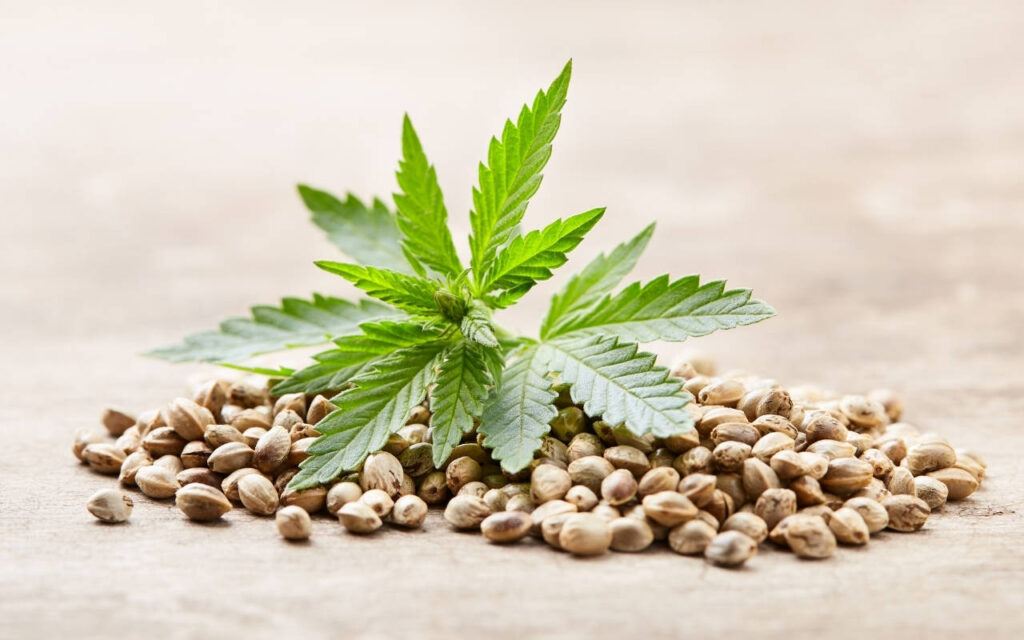
Cannabis cultivation has evolved beyond simply growing plants for personal use. For enthusiasts seeking a deeper connection with the plant, the art of breeding offers an exciting journey into creating unique cannabis strains tailored to individual preferences. In this comprehensive guide, we will explore the fascinating world of DIY cannabis breeding, covering everything from understanding the basics to advanced techniques for creating your own distinctive strains.
READ ALSO – The Basics of Magic Mushrooms: A Quick Start Guide
Understanding the Basics of Cannabis Genetics
To embark on a successful breeding journey, it’s crucial to grasp the fundamentals of cannabis genetics. Cannabis plants have both male and female sexes, with the female plants producing the coveted flowers. The genetic makeup of a cannabis strain determines its characteristics, including aroma, flavor, potency, and growth traits.
Selecting Parent Plants
- Identify desirable traits in your existing cannabis plants.
- Choose parent plants based on characteristics such as flavor, aroma, and potency.
- Consider the differences between indica and sativa strains for a targeted outcome.
Sexing Your Plants
- Understand the importance of identifying and separating male and female plants.
- Use early detection methods to remove male plants, preventing unwanted pollination.
Pollination Techniques
- Explore natural and controlled pollination methods.
- Consider using a dedicated breeding space to control environmental factors.
Advanced Breeding Techniques
Once you’ve mastered the basics, you can delve into more advanced breeding techniques to fine-tune your cannabis strains.
Creating F1 Hybrids
- Understand the concept of F1 hybrids and how they result from crossing two stable parent plants.
- Learn about the genetic diversity and potential variations in F1 hybrid offspring.
Backcrossing for Stability
- Explore the process of backcrossing to reinforce specific traits from one parent.
- Use backcrossing to stabilize a strain while preserving desirable characteristics.
Phenotype Selection
- Learn how to identify and select plants based on their phenotype (observable traits).
- Understand the role of phenotype selection in shaping the final expression of a strain.
Genetic Testing and Analysis
- Consider the use of genetic testing to gain insights into the DNA of your plants.
- Use genetic analysis to make informed breeding decisions and predict offspring characteristics.

Optimizing Growing Conditions for Breeding Success
Creating unique cannabis strains also involves optimizing the growing environment to encourage healthy plant development and successful breeding outcomes.
Temperature and Humidity Control
- Understand the impact of temperature and humidity on cannabis plant development.
- Implement strategies to maintain optimal conditions for breeding success.
Lighting Considerations
- Explore the role of light cycles in cannabis breeding.
- Consider supplemental lighting techniques to enhance plant growth during the breeding process.
Nutrient Management
- Learn about the essential nutrients required for healthy cannabis plants.
- Tailor nutrient plans to support the specific needs of breeding plants.
The Art of Phenotypic Expression
As you progress in your breeding journey, appreciating the art of phenotypic expression becomes paramount.
Observing and Documenting Traits
- Develop keen observational skills to identify subtle traits in your plants.
- Keep detailed records of each breeding project to track traits through generations.
Tasting and Smelling Your Creations
- Explore the sensory aspects of cannabis breeding.
- Take time to taste and smell your creations at different stages of growth to understand the evolution of flavor and aroma profiles.
Ethical Considerations and Legalities
Responsible Breeding Practices
- Emphasize the importance of responsible breeding practices.
- Educate yourself on ethical considerations, such as preventing accidental pollination in shared cultivation spaces.
Navigating Legalities
- Be aware of local laws and regulations related to cannabis cultivation.
- Understand the legalities of sharing or selling your unique strains, especially if you plan to distribute them.
Embarking on the fascinating journey of DIY cannabis breeding opens doors to a world where enthusiasts can craft their own unique strains, tailored to specific preferences. Mastery of cannabis genetics is foundational, with an understanding of both male and female plants crucial for successful breeding. Selecting parent plants involves identifying desirable traits such as flavor, aroma, and potency, while also considering the differences between indica and sativa strains.
Once the basics are mastered, advanced techniques come into play. Creating F1 hybrids through the careful crossbreeding of stable parent plants introduces genetic diversity and potential variations in offspring. Backcrossing allows breeders to reinforce specific traits from one parent, achieving stability while preserving desired characteristics.
Phenotype selection becomes an art form as breeders learn to identify and choose plants based on observable traits. Genetic testing and analysis can further inform breeding decisions, providing insights into the DNA of the plants and predicting the characteristics of future generations.
Optimizing the growing environment is essential for breeding success. Controlling temperature and humidity, managing lighting cycles, and tailoring nutrient plans contribute to healthy plant development. The meticulous observation and documentation of traits, coupled with sensory exploration through tasting and smelling, allow breeders to fully appreciate the phenotypic expression of their creations.
Ethical considerations and legalities are paramount in the world of cannabis breeding. Emphasizing responsible practices, such as preventing accidental pollination in shared cultivation spaces, ensures a positive impact on the community. Additionally, breeders must be aware of and adhere to local laws regarding cannabis cultivation and distribution.
Conclusion
DIY cannabis breeding is a rewarding and intellectually stimulating endeavor that empowers individuals to shape the future of cannabis cultivation. With a solid foundation in genetics, a commitment to ethical practices, and an understanding of legal considerations, breeders can embark on a journey of creating truly unique and personalized cannabis strains.
Embarking on the journey of DIY cannabis breeding is a rewarding and intellectually stimulating endeavor. By mastering the basics of genetics, exploring advanced breeding techniques, and optimizing growing conditions, you can create your own unique cannabis strains that reflect your preferences and expertise. Remember to approach breeding with a sense of responsibility, keeping ethical considerations and legalities in mind. As you navigate this exciting world, the possibilities are endless, and you may find yourself at the forefront of shaping the future of cannabis cultivation. Happy breeding!