Introduction
Mushrooms are a diverse and fascinating category of fungi that find their way into many culinary delights. Canada, with its vast and varied geography, is home to a variety of mushroom species. In this article, we will explore some of the types of mushrooms commonly grown in Canada.
1. White Button Mushroom (Agaricus bisporus)
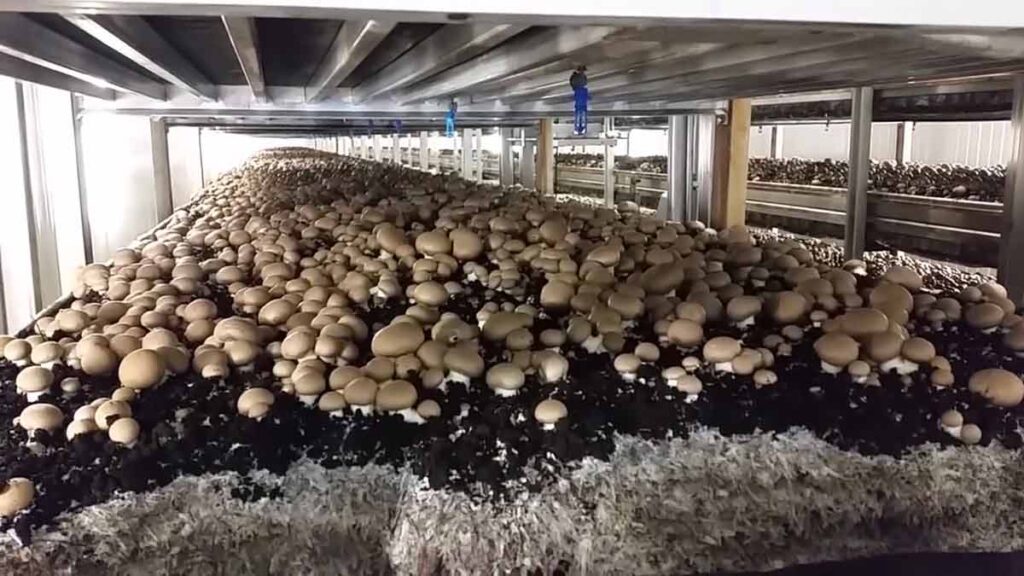
The white button mushroom is a familiar sight in supermarkets across Canada. These mushrooms are small to medium-sized with a pale cream to white cap. They have a mild flavor, making them a versatile addition to a wide range of dishes, from salads to stir-fries. White button mushrooms are grown commercially in controlled environments, ensuring consistent quality and availability year-round.
2. Cremini Mushroom (Agaricus bisporus)
Cremini mushrooms, often referred to as “baby bellas,” are closely related to white button mushrooms but have a darker cap with a richer flavor. They are a popular choice for sautéing and adding depth to sauces and soups. Cremini mushrooms are also commonly cultivated in Canada and are readily found in local markets.
3. Shiitake Mushroom (Lentinula edodes)
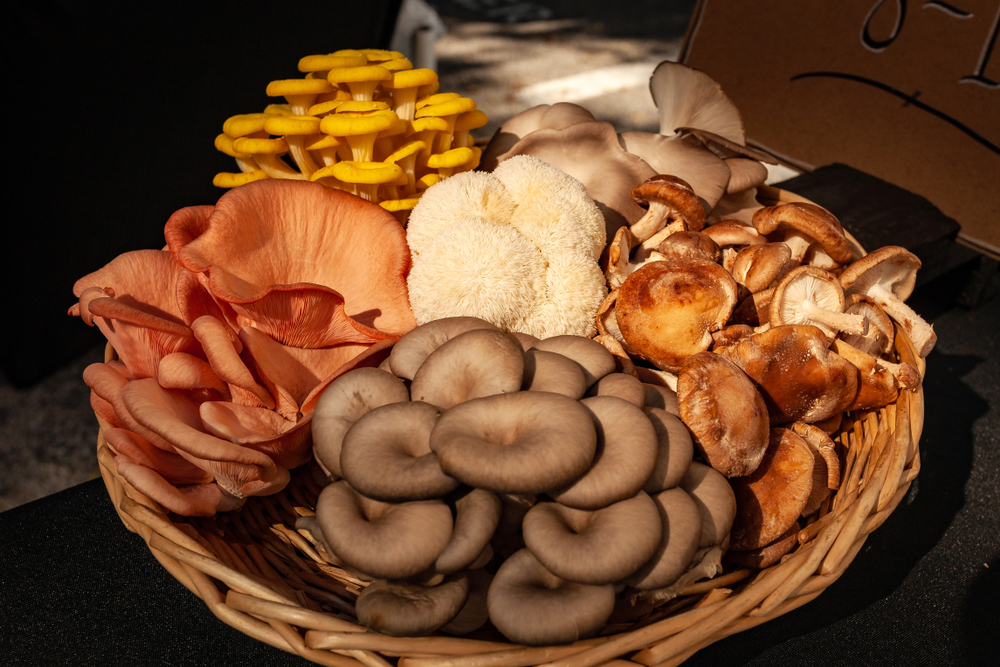
Shiitake mushrooms have a distinctive appearance with broad, umbrella-like caps and a robust, earthy flavor. These mushrooms are highly prized in Asian cuisine for their unique taste and health benefits. In Canada, shiitake mushrooms are grown on logs or sawdust substrates, mimicking their natural forest habitat.
4. Oyster Mushroom (Pleurotus ostreatus)
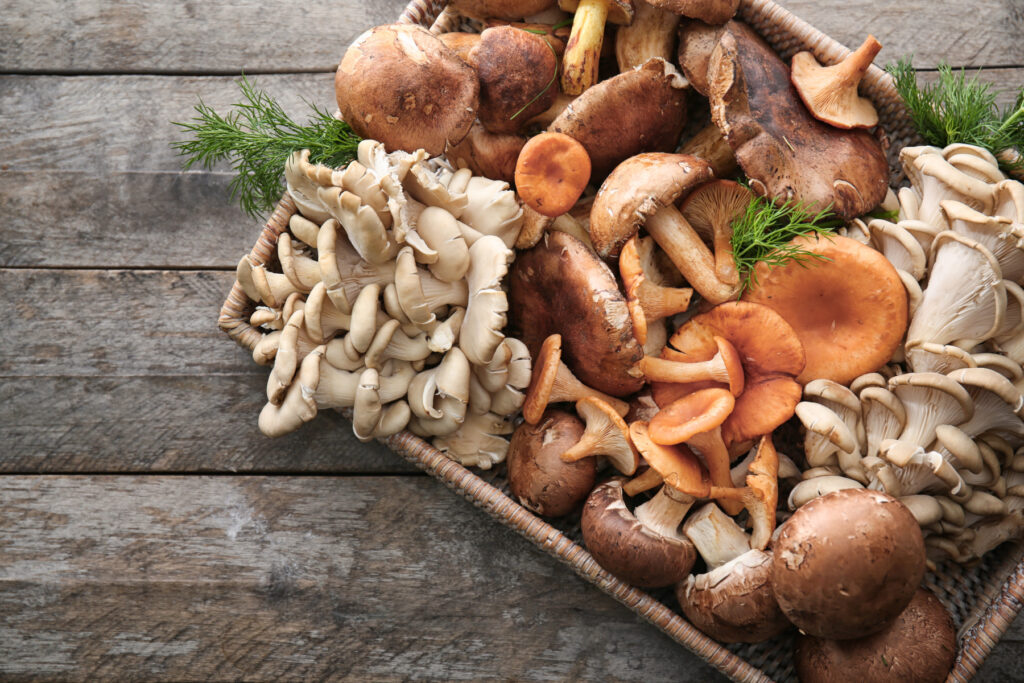
Oyster mushrooms, named for their resemblance to oyster shells, come in various colors, including white, gray, and pink. They have a delicate, sweet flavor and a tender texture. Oyster mushrooms are cultivated on a variety of substrates, including straw and coffee grounds. They are known for their ease of cultivation, making them a popular choice among home growers.
5. Portobello Mushroom (Agaricus bisporus)
Portobello mushrooms are mature versions of white button mushrooms, characterized by their large, brown caps and meaty texture. They are often used as a meat substitute in vegetarian dishes and are excellent when grilled or stuffed. These mushrooms are cultivated in Canada, primarily for their size and versatility in cooking.
6. Morel Mushroom (Morchella spp.)
Morel mushrooms are prized for their distinctive appearance, resembling honeycomb or sponges. They have a rich, nutty flavor and are highly sought after by chefs and foragers alike. Morels are found in various regions of Canada, particularly in forested areas, during the spring season. They are not typically cultivated but rather harvested in the wild.
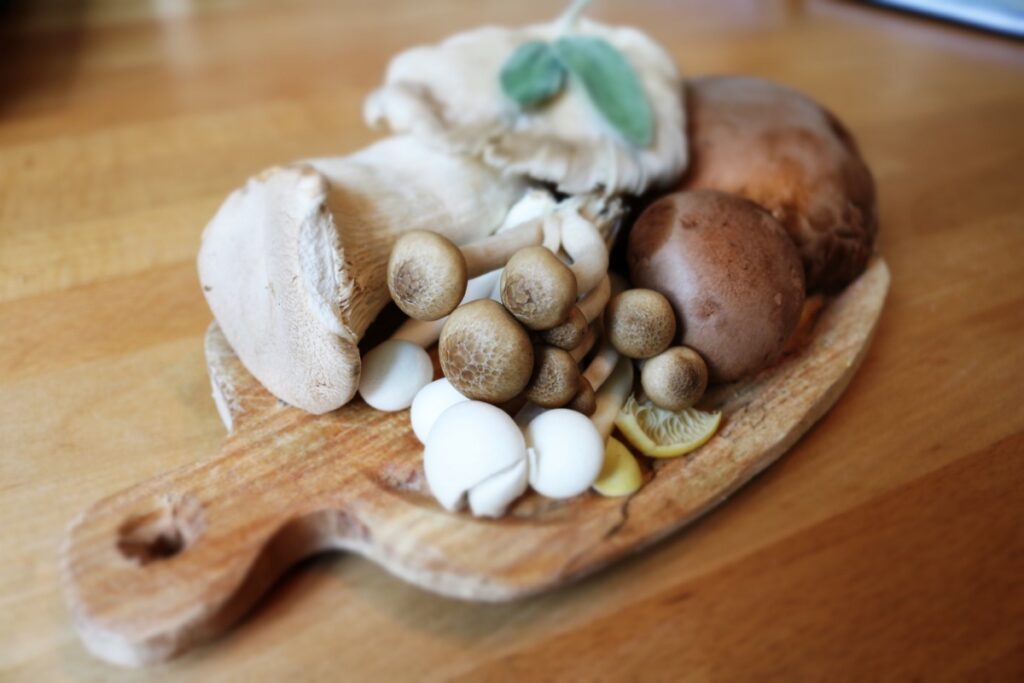
7. Chanterelle Mushroom (Cantharellus cibarius)
Chanterelle mushrooms are known for their bright orange-yellow color and exquisite flavor. They have a fruity aroma and a slightly peppery taste, making them a gourmet delicacy. Chanterelles grow in coniferous and deciduous forests in Canada, particularly in the western provinces.
8. Lobster Mushroom (Hypomyces lactifluorum)
Lobster mushrooms are not a distinct species but rather a parasitic fungus that colonizes other mushrooms, giving them a reddish-orange appearance. They are named for their seafood-like aroma and taste. Lobster mushrooms can be found in various parts of Canada, especially in forests with diverse mushroom populations.
9. Reishi Mushroom (Ganoderma lucidum)
Reishi mushrooms are revered in traditional Chinese medicine for their potential health benefits. They have a glossy, reddish-brown cap and a bitter taste. Reishi mushrooms are cultivated in Canada for their medicinal properties and are often used to make supplements and herbal teas.
10. King Oyster Mushroom (Pleurotus eryngii)
King oyster mushrooms are known for their large, cylindrical stems and mild, savory flavor. They are a favorite in Asian cuisine and are excellent for grilling and roasting. These mushrooms are also cultivated in Canada and are gaining popularity among chefs and home cooks.
In conclusion, Canada’s diverse climate and geography provide an ideal environment for the cultivation and natural growth of various mushroom species. From the familiar white button mushroom to the prized chanterelle and morel, there is a wide array of mushrooms to explore and enjoy in Canadian cuisine. Whether you’re a seasoned mycophile or a curious food enthusiast, the world of Canadian mushrooms offers a rich tapestry of flavors and culinary possibilities.
Mushroom Cultivation in Canada
Mushroom cultivation in Canada has evolved significantly in recent years. Controlled environments, such as mushroom farms and indoor facilities, have become the primary hubs for growing mushrooms. These controlled conditions allow for precise management of temperature, humidity, and other factors crucial for successful mushroom cultivation.
Canada’s mushroom industry has also embraced sustainable practices. Many mushroom farms utilize organic waste materials like straw, sawdust, and agricultural residues as substrates for mushroom growth. This approach not only reduces waste but also promotes environmentally friendly farming practices.
Wild Harvesting of Mushrooms
While commercial cultivation is essential for meeting the demand for mushrooms, wild harvesting remains a cherished tradition in Canada. Many Canadians venture into the forests during the mushroom season, armed with knowledge about identifying edible varieties like chanterelles and morels.
Wild mushroom foraging is not only a recreational activity but also a cultural tradition passed down through generations. However, it’s essential to exercise caution when foraging for wild mushrooms, as some species can be toxic and potentially harmful if consumed.
Culinary Delights and Health Benefits
Mushrooms have found their way into a wide range of Canadian dishes, from hearty soups and stews to gourmet creations in upscale restaurants. The diverse flavors and textures of different mushroom varieties make them a favorite among chefs and home cooks alike.
Moreover, mushrooms offer various health benefits. They are low in calories and fat while providing essential nutrients like vitamin D, potassium, and fiber. Some mushroom species, like shiitake and reishi, are believed to have immune-boosting and anti-inflammatory properties, contributing to their popularity in alternative medicine and wellness trends.
Exploring Mushroom Diversity
Canada’s vast and varied geography means that different regions offer unique mushroom varieties. In British Columbia’s coastal rainforests, you can find the elusive pine mushroom, while the Prairies boast edible prairie mushrooms like the puffball. The eastern provinces, with their mixed forests, are home to a rich diversity of mushrooms, including the sought-after hen-of-the-woods.
Mushroom festivals and foraging events have gained popularity across Canada, allowing people to explore the world of mushrooms and learn about their culinary and medicinal uses.
Final Thoughts
Mushrooms in Canada are not just a culinary delight; they represent a connection to nature, a tradition of foraging, and a burgeoning industry focused on sustainable cultivation. The appreciation for mushrooms in Canadian cuisine continues to grow, driven by their versatility, unique flavors, and potential health benefits.
Whether you’re enjoying a creamy mushroom risotto in a cozy restaurant or venturing into the woods to forage for chanterelles, mushrooms play a significant role in the Canadian culinary and cultural landscape. So, the next time you savor the earthy umami of a mushroom dish, remember that you’re partaking in a rich tradition deeply rooted in Canada’s diverse natural beauty and culinary heritage.